
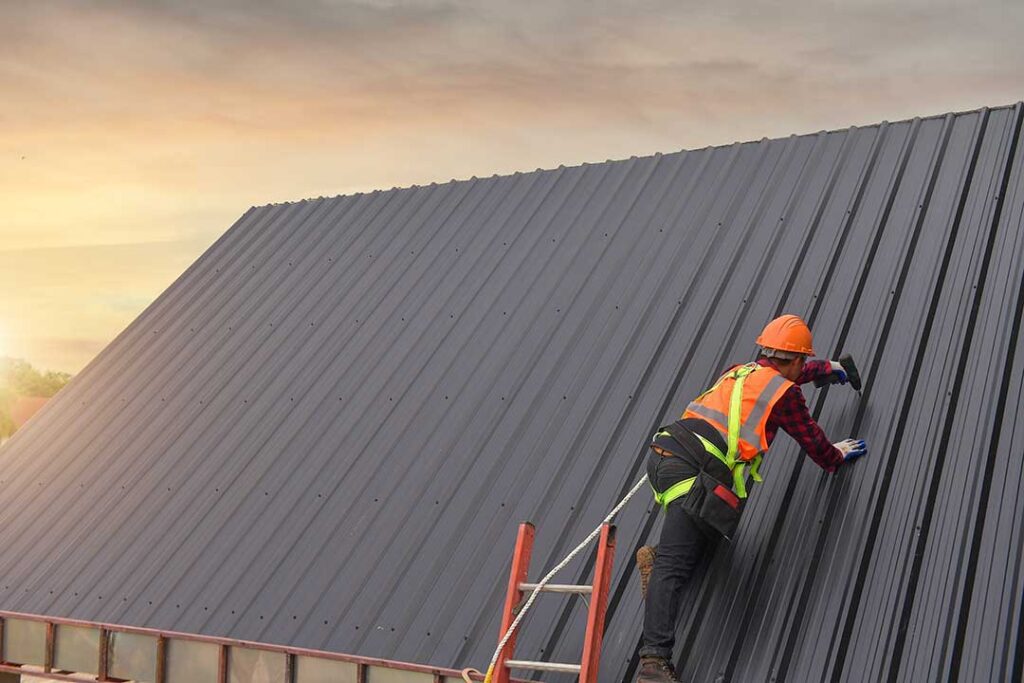
Strong winds can damage a roof without leaving an obvious hole. In Batavia, NY, gusts associated with thunderstorms, winter weather systems, and changing seasonal conditions may loosen shingles, lift flashing, damage vents, or push water beneath otherwise intact roofing materials. A careful inspection after a severe wind event can reveal problems before they lead to interior leaks.
What kinds of roof damage can severe winds cause?
Severe winds most often damage the roof’s exposed components, including shingles, metal flashing, ridge caps, vents, gutters, and soffits. The effect depends on wind speed, direction, roof age, installation quality, nearby trees, and whether the roof has already been weakened by moisture or ice.
Common wind-related damage includes:
- Missing shingles or sections of shingles
- Shingles with lifted, curled, creased, or torn edges
- Exposed underlayment or roof decking
- Bent or separated metal flashing
- Damaged ridge caps along the roof peak
- Loose plumbing vents, turbine vents, or exhaust hoods
- Displaced gutter sections and downspouts
- Torn soffit or fascia panels
- Fallen branches or punctures from airborne debris
Wind does not need to remove an entire shingle to create a problem. A partially lifted shingle may allow rain to enter beneath the surface, especially during wind-driven rain. The damage may remain hidden until staining appears on a ceiling or wall.
Why are roof edges and corners especially vulnerable?
Roof edges, eaves, rakes, and corners experience more wind pressure than the central field of the roof. Wind can get beneath a loose shingle edge or under an improperly secured flashing section, creating upward force that spreads the damage.
The first shingles to fail are often located near:
- Roof corners
- The lower edge above the gutters
- The sloped edges beside gable ends
- Ridge lines and hip caps
- Areas surrounding vents and chimneys
- Transitions between different roof sections
Once one section begins to lift, neighboring materials may become more exposed. This is why a small visible defect can sometimes indicate a larger area that needs to be checked.
How can residents inspect a roof safely after high winds?
A ground-level inspection is usually the safest first step. Walking on a roof after a storm can be dangerous because shingles may be slippery, decking may be weakened, and hidden damage may not be visible from above.
From the ground, look for:
- Shingles in the yard, driveway, or gutters
- Uneven rows or lifted tabs
- Dark or exposed patches on the roof
- Hanging metal, plastic, or trim
- Sagging gutters or downspouts
- Tree limbs resting on the roof
- Debris around vents, chimneys, and roof edges
- New water stains inside the home
Binoculars can help identify lifted shingles without requiring a ladder. A ladder should not be used near downed electrical lines, unstable branches, or wet and windy conditions. If a tree or large branch has struck the roof, the safest approach is to stay clear of the affected area until structural hazards have been evaluated.
What should happen if water is entering the home?
If a roof begins leaking after severe winds, protect the interior first. Move furniture and electronics away from the affected area, place a container beneath active dripping, and use towels to limit the spread of water.
Do not climb onto the roof during rain, high winds, or icy conditions. Temporary interior measures may reduce damage, but they do not repair the roof covering or determine whether the decking has been affected.
Water stains can appear far from the actual entry point because moisture travels along rafters, insulation, wiring, and ceiling materials. A stain near a wall or light fixture does not necessarily mean the roof leak is directly above that location. Exercise caution around wet electrical fixtures and avoid touching exposed wiring.
Can a roof look fine but still have wind damage?
Yes. Wind damage is not always obvious from the ground. Shingles may remain in place while their adhesive bond has separated, or fasteners may have loosened without causing immediate movement. Flashing can also bend slightly and allow water to enter only during certain wind directions.
Some damage may become visible days or weeks later through:
- New ceiling or wall discoloration
- Damp insulation in an attic
- Musty odors
- Peeling paint
- Drips around vents or chimneys
- Daylight visible through the attic roof deck
- Increased drafts near the roofline
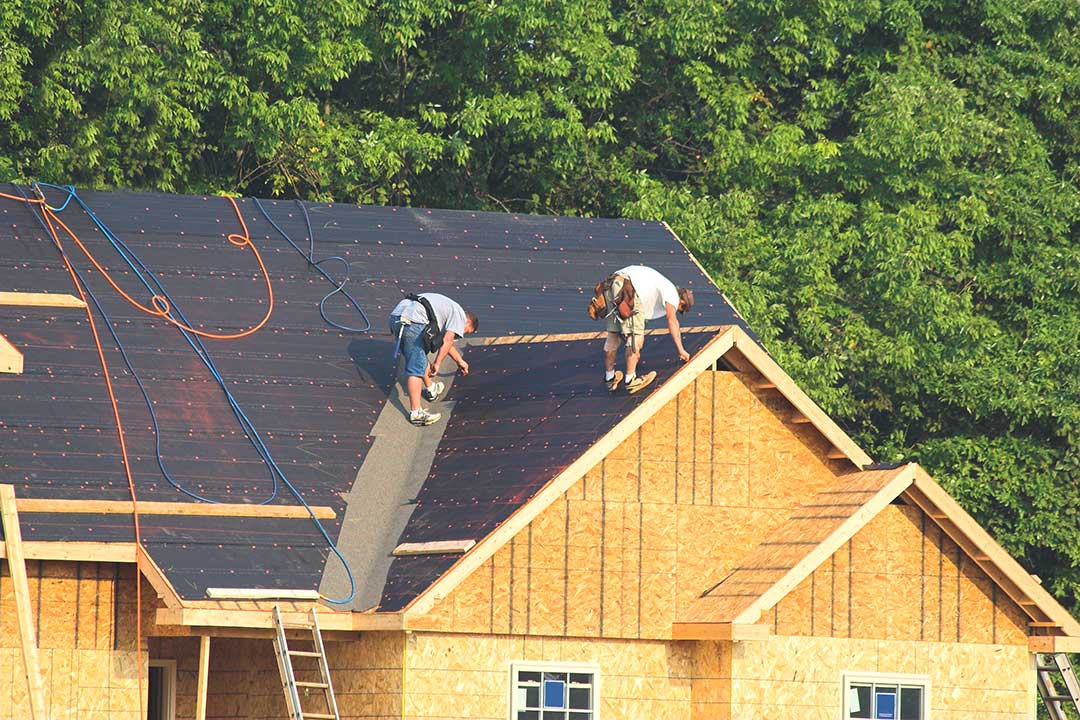
An attic inspection, viewed from a safe location, may reveal wet insulation, water marks, rusted fasteners, or damaged wood. However, stepping between attic joists can cause injury or damage the ceiling below, particularly where insulation obscures the framing.
How do local seasonal conditions affect wind damage?
The area experiences a mix of summer thunderstorms, autumn wind events, and winter conditions that can complicate roof inspections. Snow and ice may conceal missing shingles, while freeze-thaw cycles can widen small openings and weaken materials that were already loosened by wind.
Older housing stock may also contain several layers of roofing, additions with different roof pitches, or flashing details installed at different times. These transitions can be more vulnerable than a simple, uninterrupted roof plane.
Trees are another factor for area households. Even when branches do not strike the roof, repeated rubbing can wear away shingle surfaces. A tree that loses limbs during a storm may also expose roof areas that were previously sheltered from direct wind.
Does wind damage always mean the entire roof needs replacement?
No. The appropriate response depends on the location, extent, and type of damage. A limited number of displaced shingles may be repairable if matching materials are available and the surrounding roof remains sound. Widespread lifting, brittle shingles, damaged decking, or repeated leaks may indicate a larger problem.
A roof’s age matters, but age alone does not prove that wind caused a failure or that replacement is necessary. A relatively new roof can sustain storm damage, while an older roof may remain intact after the same event. The condition of the underlayment, flashing, fasteners, ventilation, and roof structure should also be considered.
What records are useful after a severe wind event?
Photographs can document the roof, yard, gutters, interior stains, and fallen branches. Take wide photos showing the location of the damage as well as close images of individual defects. Avoid disturbing loose materials until the condition has been documented, unless they present an immediate safety hazard.
Useful records may include:
- The date and approximate time of the wind event
- Weather alerts or observed conditions
- Photos taken before cleanup
- Receipts or records for prior roof work
- Notes about when leaks or interior damage first appeared
- A list of rooms or materials affected by water
These details can help distinguish storm damage from older deterioration and create a clearer timeline for maintenance or property documentation.
How can wind-related roof problems be reduced?
No roof can be made completely immune to severe weather, but routine maintenance can reduce vulnerabilities. Keep gutters clear so water does not back up beneath roof edges, trim branches that overhang the roof, and replace deteriorated flashing or damaged vent components before storm season.
It also helps to check the attic periodically for moisture, blocked ventilation, or signs of daylight through the roof deck. After major wind events, a ground-level inspection can identify loose materials early, before the next storm turns a small defect into an active leak.
For safety and building integrity, roof work involving steep slopes, structural damage, electrical hazards, unstable trees, or difficult access should be evaluated by a qualified individual rather than attempted from a ladder or roof surface.
