
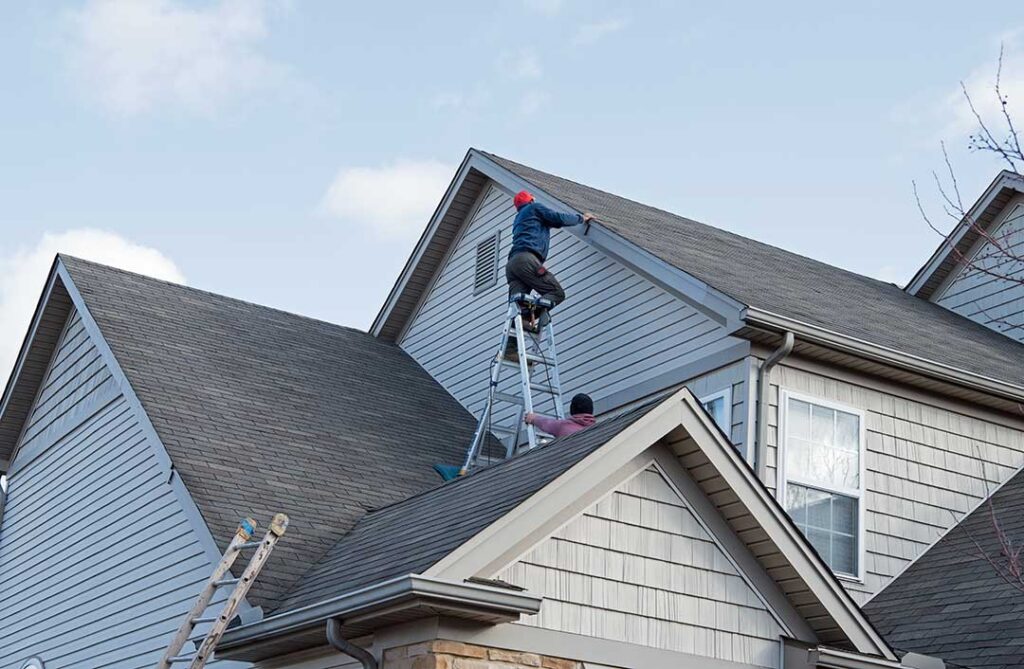
Roof decking is the structural layer beneath the shingles or other roof covering. It is usually made from plywood or oriented strand board and is fastened to the roof framing. Although it is hidden from view, the decking supports the roof surface and helps distribute snow, wind, and other loads.
In Batavia, seasonal weather can expose weaknesses in roof decking. Repeated freeze-thaw cycles, heavy snow, wind-driven rain, ice dams, and long periods of moisture can all contribute to deterioration. Recognizing warning signs early can help prevent damage from spreading into the framing, insulation, ceilings, or interior walls.
What does damaged roof decking look like?
Damaged decking may show up as sagging, soft areas, staining, or uneven roof surfaces. Some problems are visible from the attic, while others can only be confirmed after shingles and underlayment are removed.
Common signs include:
- A roof surface that appears wavy, sunken, or uneven
- Visible sagging between rafters or trusses
- Dark stains, mold-like growth, or water marks on the underside of the decking
- Plywood or OSB that looks swollen, delaminated, cracked, or crumbly
- Rusted fasteners or nails that no longer hold firmly
- Daylight visible through gaps or splits in the decking
- Recurring ceiling or wall stains after rain or snowmelt
- A soft or springy area noticed during roof maintenance
A roof does not need to be visibly collapsing for the decking to need attention. Localized deterioration around a chimney, plumbing vent, valley, eave, or roof edge may be serious even when most of the roof looks normal.
Can you check roof decking from inside the attic?
Yes. An attic inspection can reveal several early signs, but it should be done carefully. Look at the underside of the roof during daylight or with a strong flashlight, staying on the floor joists or installed walk boards rather than stepping directly on the insulation or ceiling material.
Check for:
- Brown or black discoloration
- Damp or soft wood
- Peeling layers in plywood
- Swelling along panel edges
- Water droplets or damp insulation
- Mold-like surface growth
- Gaps between panels or around roof penetrations
- Bent, cracked, or heavily corroded fasteners
A stain does not always mean the decking is currently wet. It may be the mark left by an older leak. However, a stain combined with soft wood, fresh moisture, or damp insulation suggests that water may still be entering.
Attic ventilation also matters. Warm, moist air from the living space can condense on cold roof decking, especially during winter. This can create moisture damage that looks similar to a roof leak. Bathroom exhaust fans that terminate in the attic, blocked soffit vents, and inadequate air sealing can all contribute to condensation.
Why do leaks sometimes cause decking damage?
Roof decking becomes vulnerable when water remains trapped or repeatedly enters the same area. A small leak around a flashing point may wet the decking over many seasons. Even if the ceiling stain is minor, the wood above it may have absorbed enough moisture to swell, weaken, or separate.
Areas that deserve close attention include:
- Valleys, where water runoff is concentrated
- Eaves and roof edges, where ice dams can force water beneath shingles
- Around chimneys, skylights, and plumbing vents
- Locations where roof slopes meet walls
- Beneath missing, lifted, or damaged shingles
- Places affected by overflowing or poorly draining gutters
In this region, snow and ice can conceal roof problems for weeks. A leak may become noticeable only after a thaw, heavy rain, or wind event. Water can also travel along rafters before appearing as a stain, so the visible interior mark may not be directly below the damaged decking.
Does a sagging roof always mean the decking is failing?
No. Sagging can result from damaged decking, but it may also point to weakened rafters or trusses, excessive moisture, poor original framing, or loads that the roof structure was not designed to carry. Snow accumulation can make a pre-existing problem more noticeable.
A small, localized dip may involve one or more deteriorated panels. A broad or pronounced sag deserves more urgent attention because it could indicate a structural issue rather than a surface problem.
Do not walk on a visibly sagging roof or on areas that appear soft. Roof decking can fail without much warning, particularly when it has been wet for a long period.
What is the difference between cosmetic damage and structural damage?
Cosmetic damage affects appearance without significantly reducing the deck’s ability to support the roof. Examples may include an old, dry stain on otherwise solid wood or minor surface discoloration from past condensation.
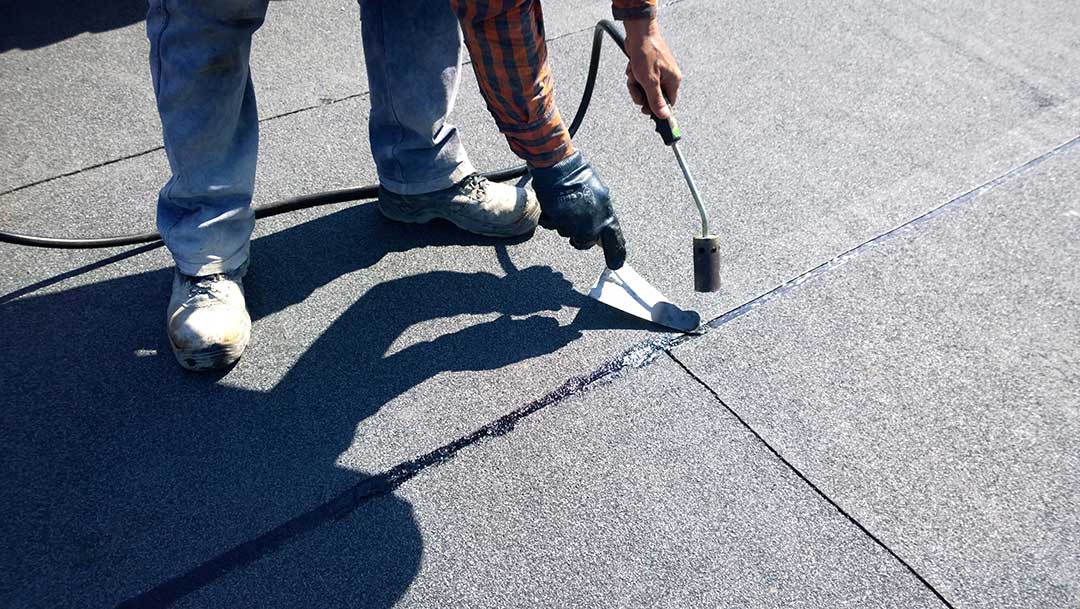
Structural damage affects strength, attachment, or stability. Warning signs include:
- Wood that bends or breaks under light pressure
- Panels with separated or swollen layers
- Large areas of rot or decay
- Fasteners that pull out easily
- Decking that has pulled away from rafters
- Significant gaps between panels
- Roof sections that sag or feel unstable
The distinction cannot always be made from a photograph or from the ground. The condition of the wood, the extent of the affected area, and the cause of the moisture all need to be considered together.
Can new shingles hide a decking problem?
They can. Installing new shingles over deteriorated decking may temporarily improve the roof’s appearance, but it does not restore the strength of the underlying structure. Shingles also need a stable, reasonably flat surface for proper fastening and performance.
Before reroofing, the decking should be examined for soft spots, swelling, delamination, and inadequate attachment. Replacement is generally limited to the damaged sections when the rest of the roof deck remains sound. However, widespread moisture damage or repeated leaks may require a broader repair.
A roof that looks recently covered is not automatically protected from an old decking problem. The condition beneath the roof covering is just as important as the visible shingles.
When does roof decking need prompt attention?
Prompt attention is warranted when there is active leaking, visible sagging, exposed interior daylight, widespread mold-like growth, or decking that feels soft from the attic. Water near electrical wiring, light fixtures, or ceiling outlets adds a separate safety concern.
Temporary steps may include placing a container beneath an active drip, moving stored belongings away from the leak, and documenting the affected areas. Avoid climbing onto the roof during rain, snow, ice, or high winds. Roof surfaces can be slippery, and damaged decking may not safely support a person.
If the roof structure appears unstable, if a large area is affected, or if electrical components have become wet, the area should be treated as a safety hazard rather than a routine maintenance issue.
How can homeowners reduce future decking damage?
The most effective prevention is controlling moisture before it reaches or remains in the decking. Useful maintenance includes:
- Keeping gutters and downspouts clear so water moves away from the roof
- Watching for ice damming after snow and freeze-thaw weather
- Replacing missing or damaged roof-covering materials promptly
- Checking flashing around roof penetrations
- Keeping attic insulation and ventilation balanced
- Ensuring bathroom and kitchen exhaust vents discharge outdoors
- Inspecting the attic after major storms and long periods of wet weather
- Avoiding storage practices that block soffit vents or restrict attic airflow
Roof decking problems often develop gradually. A careful attic check after winter, during spring thaw, and following significant wind or rain can reveal moisture issues before they become widespread structural damage.
