
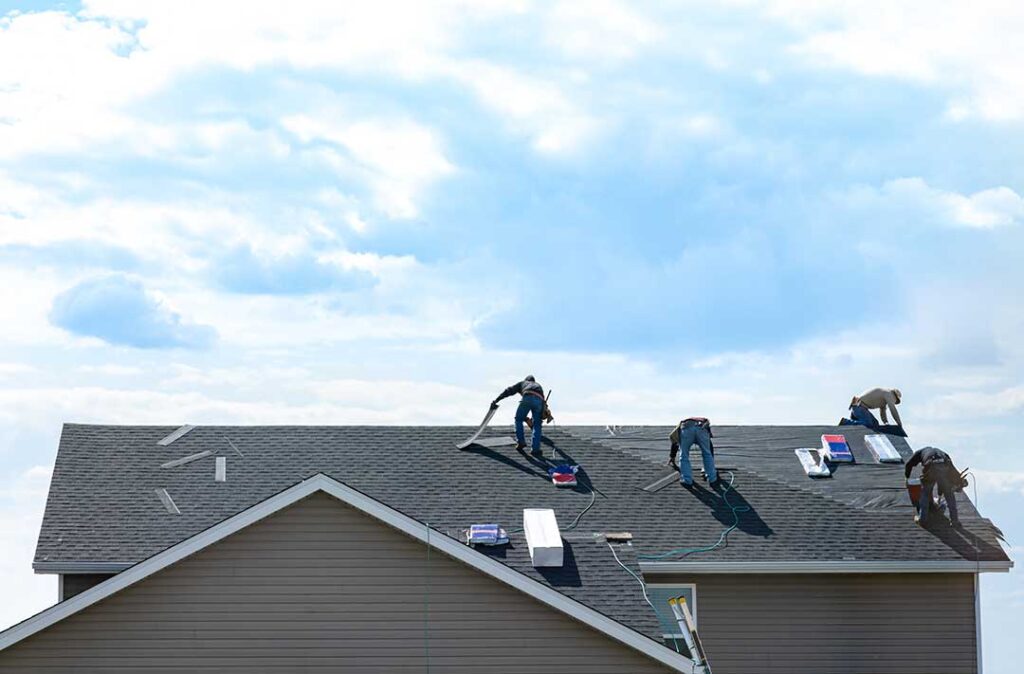
Replacing a roof can create a surprising amount of waste. Asphalt shingles, metal flashing, underlayment, vents, gutters, wood, and old fasteners often need to be separated before anything can be reused, recycled, or disposed of properly.
For households in Batavia, NY, the right approach depends on the material, its condition, and whether it may contain hazardous substances. Roofing debris should not automatically go into household recycling or regular curbside garbage.
Can old asphalt shingles be recycled?
Yes, clean asphalt shingles may be accepted at a registered construction and demolition debris handling facility for processing. Recovered shingles can sometimes be used in asphalt pavement or other construction applications, but acceptance depends on the facility’s permit, equipment, and contamination rules. New York State identifies asphalt roofing shingles and roofing paper as recyclable construction and demolition materials when they are source-separated, uncontaminated, and free of friable asbestos. ([dec.ny.gov](https://dec.ny.gov/environmental-protection/waste-management/solid-waste-management-facilities/construction-demolition-debris-processing?utm_source=openai))
Before transporting shingles, confirm:
- Whether the facility accepts residential roofing debris
- Whether shingles must be separated from other materials
- Whether nails and roofing paper may remain attached
- Whether a load minimum, fee, covering requirement, or appointment applies
- Whether the facility is currently accepting roofing materials
Recycling programs can change, so an old directory or a neighbor’s past experience may not reflect current requirements.
What should be separated from the shingles?
Sorting roofing debris at the job site makes recycling more likely and reduces disposal costs. Asphalt shingles should be kept separate from general household garbage, soil, food waste, insulation, and other construction debris.
Common materials that may be separated include:
- Asphalt shingles and roofing felt
- Metal flashing, drip edge, and fasteners
- Aluminum or steel gutters
- Copper components
- Unpainted wood
- Plastic or metal vents
- Ridge caps and rubber roofing pieces
Metal is often easier to recover than mixed roofing debris. Keep metal pieces free of excessive wood, insulation, and trash. Small quantities of nails usually remain with asphalt shingles, but facility rules should be checked before delivery.
Wood should also be sorted carefully. Unpainted, untreated, and unadulterated wood may be accepted for separate processing, while painted, pressure-treated, glued, or composite wood may have different disposal requirements under New York regulations. ([dec.ny.gov](https://dec.ny.gov/environmental-protection/waste-management/solid-waste-management-facilities/construction-demolition-debris-processing?utm_source=openai))
Are roofing materials accepted in curbside recycling?
Generally, no. Asphalt shingles, roofing felt, flashing, gutters, and roofing underlayment do not belong in ordinary household recycling carts.
Local solid-waste rules distinguish recyclable materials from construction and demolition debris. The recycling provisions applying in the community focus on materials that can be reasonably separated and recovered through an authorized facility; roofing debris is normally handled through a construction and demolition debris system rather than a standard curbside recycling route. ([ecode360.com](https://ecode360.com/8977887?utm_source=openai))
Putting shingles into a recycling cart can contaminate other recyclables, damage collection equipment, or cause the entire load to be rejected.
How should roofing debris be prepared for transport?
Roofing materials should be contained securely and kept dry when possible. Use a covered truck, trailer, or approved container so loose shingles and paper cannot blow onto roads.
Helpful preparation steps include:
- Remove household trash and unrelated debris
- Separate metal from shingle material
- Keep suspected asbestos-containing material isolated
- Avoid mixing roofing waste with liquids, chemicals, or soil
- Use sturdy containers for sharp metal and fasteners
- Do not overload a vehicle beyond its safe capacity
- Check whether the destination requires covered loads
During spring thaw, heavy rain, and winter weather, wet shingles become substantially heavier. A load that appears manageable may exceed a trailer’s safe capacity after absorbing water.
What about old roofing felt, tar paper, and rubber roofing?
Roofing paper may be accepted with asphalt shingles at some construction and demolition debris facilities, but it should not be assumed. New York State regulations specifically include asphalt roofing shingles and roofing paper among materials that may be handled at registered facilities when they are uncontaminated and do not contain friable asbestos. ([dec.ny.gov](https://dec.ny.gov/environmental-protection/waste-management/solid-waste-management-facilities/construction-demolition-debris-processing?utm_source=openai))
Rubber membrane roofing, modified bitumen, insulation boards, coatings, and adhesive-backed products may require separate handling. These materials can contain layers or residues that make them unsuitable for a shingle-recycling load.
A practical rule is to identify the material before loading it. If the product is not clearly asphalt shingle or roofing paper, ask the receiving facility how it should be classified.
Can old roofing materials contain asbestos?
Some older roofing products can contain asbestos, particularly certain cement-based, slate-like, or specialty roofing materials. Asbestos cannot be identified reliably by appearance alone.
Do not break, grind, cut, sand, sweep, or crush material that may contain asbestos. The Genesee County hazardous-waste information identifies asbestos as unacceptable at its household hazardous-waste collection events, meaning residents need separate instructions rather than treating it as ordinary household hazardous waste. ([geneseeny.gov](https://www.geneseeny.gov/Department-Content/GLOW-Region-Solid-Waste/Household-Hazardous-Waste?utm_source=openai))
Warning signs include:
- Cement-like shingles from an older roof
- Unusual gray or rigid roofing panels
- Older roofing cement or mastics
- Materials with unknown age or origin
- Roofing debris from a property with previous asbestos concerns
If asbestos is suspected, stop sorting and avoid creating dust. Testing, removal, packaging, transport, and disposal may be subject to state and federal requirements. This is one situation where specialized hazardous-material guidance is warranted.
What should never be done with roofing debris?
Several disposal methods create avoidable risks:
- Do not burn asphalt shingles, roofing felt, treated wood, or roofing coatings.
- Do not place roofing debris in a storm drain, ditch, vacant lot, or wooded area.
- Do not bury shingles on residential property.
- Do not mix suspected asbestos materials with ordinary debris.
- Do not dump loose shingles where wind or runoff can carry them away.
- Do not assume a general landfill, transfer station, or scrap-metal facility accepts roofing waste.
Open burning is especially unsafe because roofing products and coatings can release harmful smoke and residues. Construction and demolition debris should go only to a facility authorized to receive that material.
Where can residents find current disposal guidance?
The Genesee County GLOW Region Solid Waste program provides local solid-waste information and identifies the county recycling administrator as a resource for questions about waste reduction, recycling, and disposal. The county lists its office in Batavia and provides telephone assistance for residents who need guidance about household hazardous waste and collection events. ([geneseeny.gov](https://www.geneseeny.gov/Department-Content/GLOW-Region-Solid-Waste?utm_source=openai))
For a roofing project, the most useful questions to ask before hauling materials are:
- Is this facility currently accepting asphalt shingles?
- Does it accept roofing paper or rubber membrane?
- Must metal be separated?
- Are asbestos-containing materials prohibited?
- What are the rules for residential loads?
- Are covered vehicles required?
- Are fees based on weight, volume, or material type?
Keeping receipts, load instructions, and facility information with the project records can also help document proper disposal, particularly for larger renovations or insurance-related work.
A simple sorting plan for a roofing replacement
A small amount of planning can prevent most recycling problems:
1. Set aside clean asphalt shingles and roofing paper.
2. Place metal flashing, gutters, and fasteners in a separate pile.
3. Keep wood separate from roofing materials.
4. Remove household garbage and unrelated construction waste.
5. Isolate any material that may contain asbestos.
6. Confirm acceptance rules before loading.
7. Cover the load securely during transport.
In the local climate, roofing debris may sit through rain, snow, freezing temperatures, and spring thaw. Keeping materials contained and covered protects the property, prevents windblown litter, and makes the final load easier for a receiving facility to inspect and process.
