
What Should Residents Consider Before Hanging Roof Lights?
Before getting started, residents should think about roof type, weather conditions, and personal safety. In Batavia, changing seasons and snow accumulation are normal, so timing matters. It's generally safer to hang lights during late autumn, before early snow or ice begins to build up. Understanding your specific roof material—such as asphalt shingles, metal, or slate—is also important, since each type has different vulnerabilities when it comes to attaching decorations.
Residents should:
- Examine the roof from the ground to spot damage or slippery zones.
- Check that ladders and light clips are in good condition.
- Avoid working alone, especially on steep or high roofs.
Which Tools and Supplies Are Best for Roof Lighting?
Specialty light clips made of plastic are the safest way to hang lights on shingles or gutters. Nails, staples, or adhesives can damage roof surfaces and create leak points. Instead, use:
- Plastic shingle clips for attaching lights to roofing edges
- Gutter hooks for stringing lights along gutters
- Heavy-duty, properly sized extension cords rated for outdoor use
Typical household ladders work, but choose a non-metal ladder when possible if hanging electrically powered lights, especially on wet or damp days.
How Can Residents Prevent Roof Damage When Hanging or Removing Lights?
Direct penetration of the roof should always be avoided. Nails, tacks, or staples might seem secure, but they puncture protective roofing layers and can lead to leaks or shingle deterioration. Instead:
- Slide clips under shingle tabs or onto gutters without lifting or bending shingles.
- Do not tuck wires beneath shingles, which can lift them and break the waterproof seal.
- When removing lights, avoid pulling forcefully—unclip gently and inspect for any debris left behind.
Additionally, consider the weight of lights. Some older homes in Batavia were built with lightweight guttering or weakened fascia boards. Avoid overloading these areas with heavy lights or numerous strands.
What Are Safe Ladder Techniques for Reaching High Roof Edges?
Proper ladder placement is critical for personal safety. Position the ladder on stable, flat ground and angle it so that for every four feet of height, the bottom is one foot from the wall. Extend the ladder at least three feet beyond the roof’s edge. Common mistakes include:
- Setting ladders on icy, uneven turf
- Climbing with light bundles or tools in hand
- Overreaching sideways while working from the ladder
Instead, always climb empty-handed and use a tool belt or pouch. Move the ladder often rather than stretching to reach more area. Wearing slip-resistant shoes can also help, especially during the colder months when frost is common.
How Do Weather and Seasonal Conditions Affect Safety?
Batavia weather in late fall and early winter is unpredictable. Even if the day is dry, roofs may have unseen ice in the morning or after dark. Residents should avoid roof work if any of the following are present:
- Snow or water on roof or gutters
- High winds
- Freezing rain in the forecast
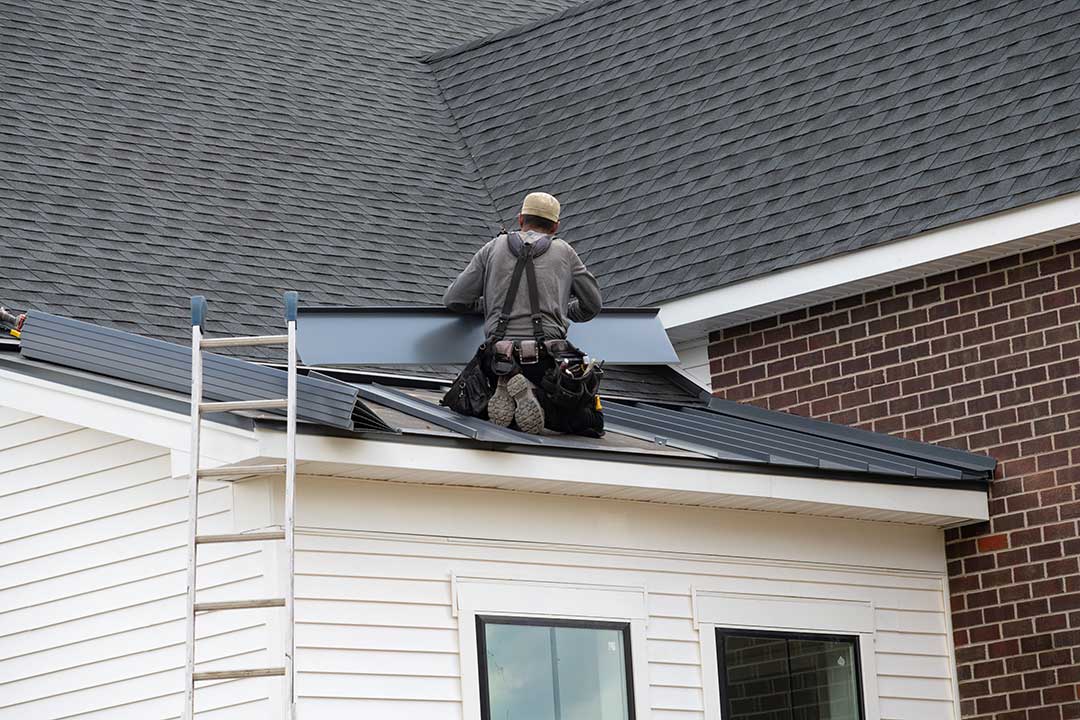
After a snowfall, wait until both the roof and ladder have fully dried and are free of ice. If the roof is still wet or icy, delay the project to prevent slips.
Are There Lighting Types and Designs Better Suited for Local Conditions?
LED lights are popular because they use less electricity and emit less heat, reducing fire risk on older roofs with dry leaves in gutters. Choose lights rated for outdoor use with sealed, weatherproof plugs. Net lighting can be easier and safer to drape over bushes or lower roof areas than classic string lights that require climbing.
Keep extension cords and electrical connections off the ground and away from standing water. For houses with limited or no guttering, opt for clips that anchor to the roof edge rather than relying solely on gutter strength.
What Safety Tips Are Often Overlooked by Local Households?
Residents might overlook:
- Checking light strings for cracked sockets or frayed wires before installation
- Plugging all outdoor lights into ground-fault circuit interrupter (GFCI) outlets, which reduce shock risk
- Letting someone know about your plans in case of emergency
- Wearing gloves with rubberized palms for grip in chilly weather
Additionally, always bring lights down promptly after the holidays. Leaving them up year-round exposes both the lights and the roof to unnecessary wear.
Which Situations Call for Extra Caution or Professional Support?
While most householders can safely hang lights on single-story homes using the right techniques, extra caution is needed for:
- Roofs with slopes greater than 8:12 pitch (very steep roofs)
- Homes with heavy moss, lichen, or visibly fragile shingles
- Multi-story houses where significant height requires specialized ladders or harnesses
If there are electrical issues (outlet sparking, frequent breaker trips), consult a licensed professional before proceeding. For most Batavia residences, careful planning, neighborly help, and attention to weather is enough to keep the tradition bright and safe.
