

How Does Humidity Interact with Local Roofing Materials?
Humidity refers to the amount of moisture in the air. In Batavia, NY, seasonal weather brings shifts between high summer humidity and drier winter air. These changes can have lasting effects on roofing, whether the home uses asphalt shingles, metal, wood shakes, or slate.
Humidity can cause roofing materials to expand or contract, promote mold and mildew growth, and even accelerate deterioration if left unchecked. In the city’s climate, where homes may see frequent dew, morning fog, and periods of prolonged moisture, this often means more maintenance and careful observation throughout the year.
Can High Humidity Shorten Roof Lifespan?
Extended periods of humidity can stress roofing materials, especially when paired with heat or sudden temperature drops. For Batavia, summer humidity levels often coincide with the hottest months. This combination may:
- Soften asphalt shingles, making them more prone to warping, blistering, or granule loss.
- Encourage fast fungal growth on wood shingles, potentially causing weakening or rot.
- Cause metal components to sweat, leading to corrosion or rust if protective coatings are compromised.
In general, local homeowners may see more rapid wear and tear if high humidity goes unaddressed over multiple seasons. Proper attic ventilation, regular gutter cleaning, and removing leaf build-up can all help slow this process.
What Problems Can Humidity Cause with Roof Structure and Insulation?
Humidity doesn’t only affect the outer roofing material; it can also impact what’s beneath.
When moisture-laden air is trapped in attics or between roof layers, it may lead to:
- Insulation clumping or compacting, which reduces its effectiveness and may cause energy inefficiency.
- Damp rafters and decking, raising the risk of wood decay or fungal infestation.
- Ice damming problems in winter, as trapped humidity condenses, freezes, and cycles between thawing and refreezing.
Many homes in the area use a combination of soffit, ridge, or gable vents to vent humid air from the attic. When these vents are blocked or undersized, problems can develop—especially after several humid summers or wet falls.
Are Certain Roofing Materials Better Suited to the Local Climate?
Some materials behave better under humid conditions than others. For example:
- Asphalt shingles are common but may degrade faster if routinely exposed to moisture without adequate ventilation.
- Metal roofing resists mold and doesn’t absorb water, but exposed metal parts can rust.
- Slate is dense and water-resistant, but if underlying supports or flashing trap moisture, even slate roofs can develop issues.
- Wood shakes offer a classic look but are vulnerable to rot, curling, or insect infestation when humidity stays high.
Local homeowners sometimes overlook the effect attic and underlayment choices have on overall roof performance. A well-ventilated attic paired with a vapor barrier can dramatically decrease humidity’s impact, regardless of the roofing type.
Will Humidity Make Roof Leaks or Mold Problems More Likely?
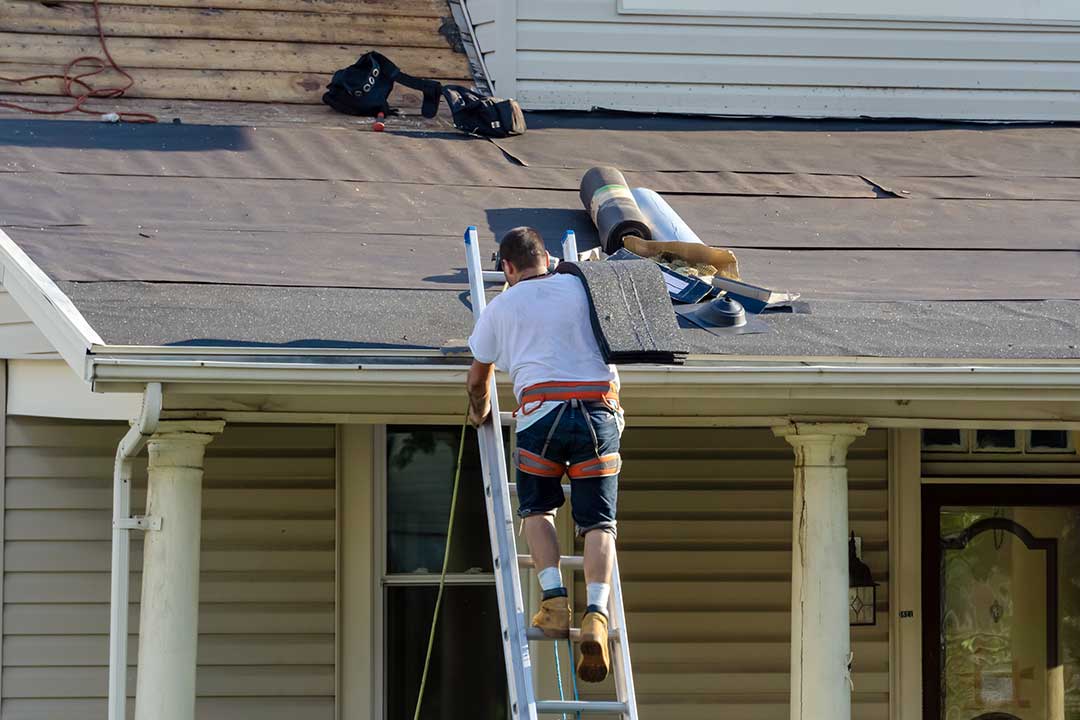
Consistent high humidity in the city boosts the odds of mold appearing in attics and along roof framing. It may not directly cause leaks, but it can worsen existing vulnerabilities:
- Fine cracks or nail holes become pathways for humid air, turning small defects into larger leaks over time.
- Mold, algae, or mildew on shingles signal that moisture is lingering—often as a result of poor drainage or inadequate sun exposure.
Unaddressed, these issues can lead to stained ceilings, musty attic odors, and deteriorating wood supports. While residents may use bleach or cleaning sprays for visible mold, these are only temporary fixes unless the root humidity problem is tackled.
What Can Residents Do to Manage Roofing Humidity?
Area households often ask what practical steps can make a difference between seasonal checks or upgrades. Some commonly effective options include:
- Keep attic vents clear of insulation, debris, or nests.
- Inspect for staining or warping in attic wood, especially after storms or long humid spells.
- Use dehumidifiers in poorly ventilated attic spaces if condensation persists.
- Prune overhanging branches to promote sunlight and air flow across the roof surface.
- Look for moss, algae, or dark growth each spring and fall, as these may indicate areas where water lingers.
Careful, regular observation can alert homeowners to developing problems before they shorten roof life or lead to expensive repairs.
Are There Common Misconceptions About Humidity and Roofing?
Many believe that a well-installed roof is unaffected by local humidity, but no system is completely immune without proper ventilation and regular attention. Some residents also assume that only older houses have moisture issues; in reality, newer, energy-efficient construction may be more prone to humidity problems if airflow is restricted.
The impact of humidity extends beyond rain or snow, often manifesting quietly in attic corners or beneath otherwise intact shingles. Taking a few minutes every season to observe, ventilate, and clear away organic debris can significantly protect a home against hidden moisture damage.
