

Why Do Roof Inspections Matter for Batavia, NY Residents?
Roof inspections help maintain the integrity and longevity of your home. In Batavia, NY, where weather conditions can be unpredictable—from heavy lake-effect snow to summer rain and wind—the roof often bears the brunt of the elements. Regular checks can spot minor issues before they become expensive repairs and help residents meet insurance or warranty requirements.
Many local homeowners wonder how much is too much or too little when it comes to roof inspection frequency. Understanding when to schedule an inspection is the best way to prevent leaks, interior damage, and sudden repair costs.
What Are the Typical Inspection Timelines?
Most roofs in the city should be checked annually, though specific circumstances can alter this schedule. For homes with newer roofing, homeowners might feel tempted to stretch the interval, but missing subtle early signs of wear can lead to unexpected problems—especially given the ice, wind, and seasonal debris common in the area.
For roofs ten years old or more, or those with known issues such as missing shingles, inspections should occur at least once a year, preferably in spring or early fall. A visual check after major storms or when heavy snow melts away is also useful, particularly if you notice ice dams, loose material, or interior signs of moisture.
Which Signs Suggest Your Roof Needs Immediate Attention?
Residents often ask what visible problems indicate an urgent need for inspection. Any of these situations call for an immediate assessment:
- Water stains or dampness in attic ceilings or upper interior walls
- Missing, cracked, curled, or damaged shingles
- Noticeable sagging or uneven rooflines
- Persistent ice dams along eaves after winter storms
- Pieces of roofing material on the ground after windstorms
- Moss or excessive plant growth, especially on shaded sides
Even one of these symptoms can indicate a hidden problem. Often, small leaks or loss of protective granules go unnoticed until significant damage builds up, particularly if the problem starts over the winter and doesn't become visible until the spring thaw.
How Do Seasonal Changes in the City Affect Inspection Timing?
In Batavia, rapid swings between freezing rain, snow, and brief winter thaws often put extra pressure on roofing systems. Early spring—once the snow and ice have retreated—is an ideal time for residents to take a closer look. A spring check can reveal damage caused by snow loads, ice, and internal condensation.
Alternatively, a late summer or early fall inspection helps prepare the roof for the next winter. Addressing loose or missing shingles and clearing gutters at this time can reduce the risk of ice dams and roof leaks when snow returns.
What Should New Homeowners in Batavia, NY Know?
Anyone who has purchased a home within the past year should make an inspection a priority, even if no problems are immediately apparent. Home inspections during purchase don’t always include a thorough roof examination. If your property is more than five years old, or if documentation about the last inspection or replacement is missing, arranging a roofing assessment helps avoid surprises.
Can You Perform an Inspection Yourself, or Is Professional Assistance Needed?
While a professional inspection offers the most thorough diagnosis, Batavia homeowners can perform basic checks themselves if the roof is safely accessible and the slope is not too steep. Using binoculars from the ground or a secure ladder, look for:
- Shingle uniformity and condition
- Signs of animal activity or nests
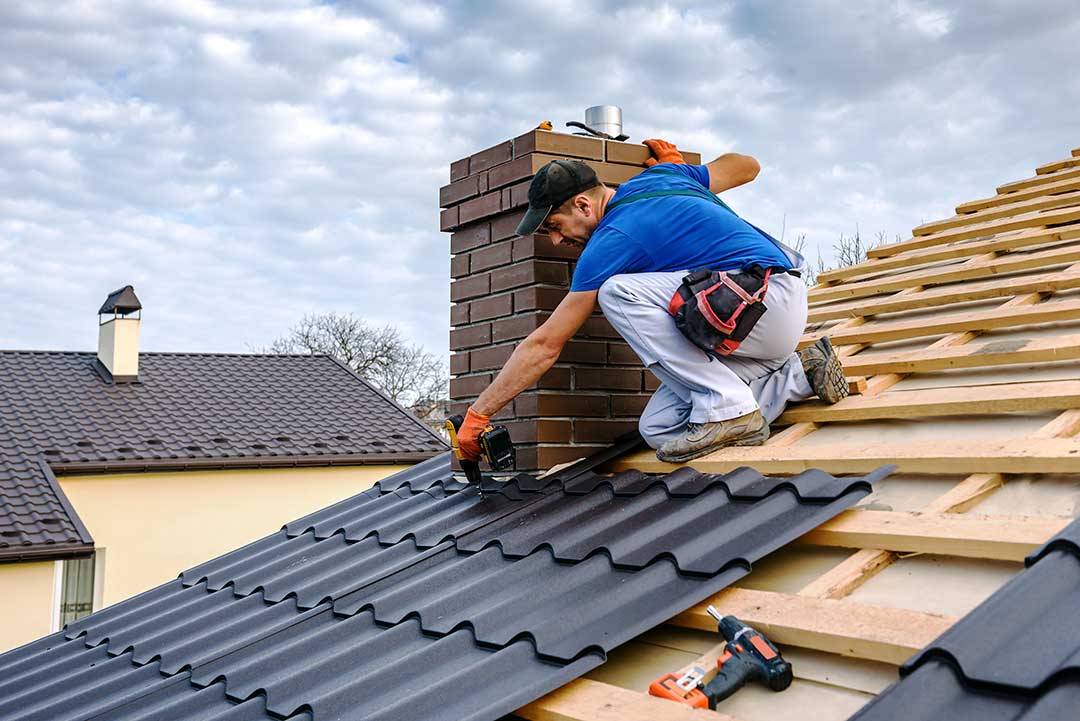
- Flashing damage around chimneys and vents
- Clogged or damaged gutters
However, if you spot significant concerns, suspect interior leaks, or see signs of structural damage, it’s best for safety reasons to consult an expert. Roof work can be hazardous, especially after storms or in icy conditions.
Are There Special Considerations for Certain Roof Types or Features?
Homes in the city often have asphalt shingles, but some properties feature older slate or metal roofs. These materials weather differently: slate may crack with freeze-thaw cycles, while metal expands and contracts, causing seams to loosen. Additionally, homes surrounded by large trees should check for branch impact, accumulated leaves, or moss.
Roofs with multiple valleys, dormers, or added skylights and chimneys have more areas prone to leaks or vegetation accumulation and benefit from more frequent visual checks.
What Are Common Myths or Misunderstandings About Roof Inspections?
A frequent misconception in the community is that if a roof is under warranty or recently replaced, no inspection is needed for years. In reality, manufacturers often require documentation of regular inspections to keep warranties intact. Another myth is that a leak spotted indoors means major repairs outdoors; sometimes, flashing or gutter issues are the culprit and are easy to address early.
Another overlooked issue: many residents only look at their roof from the front street view, missing problems on less-visible portions—like the backside or shaded sections, where moss or debris commonly collect.
How Do Area Weather Patterns Influence Short- and Long-Term Roof Health?
Prolonged periods of moisture, heavy winds, and fast temperature shifts make the city’s roofs vulnerable to ongoing wear. In years with heavier snowfall or rain, more frequent inspections can help identify and address accumulating ice dams, clogged gutters, or siding runoff that affects roof performance.
